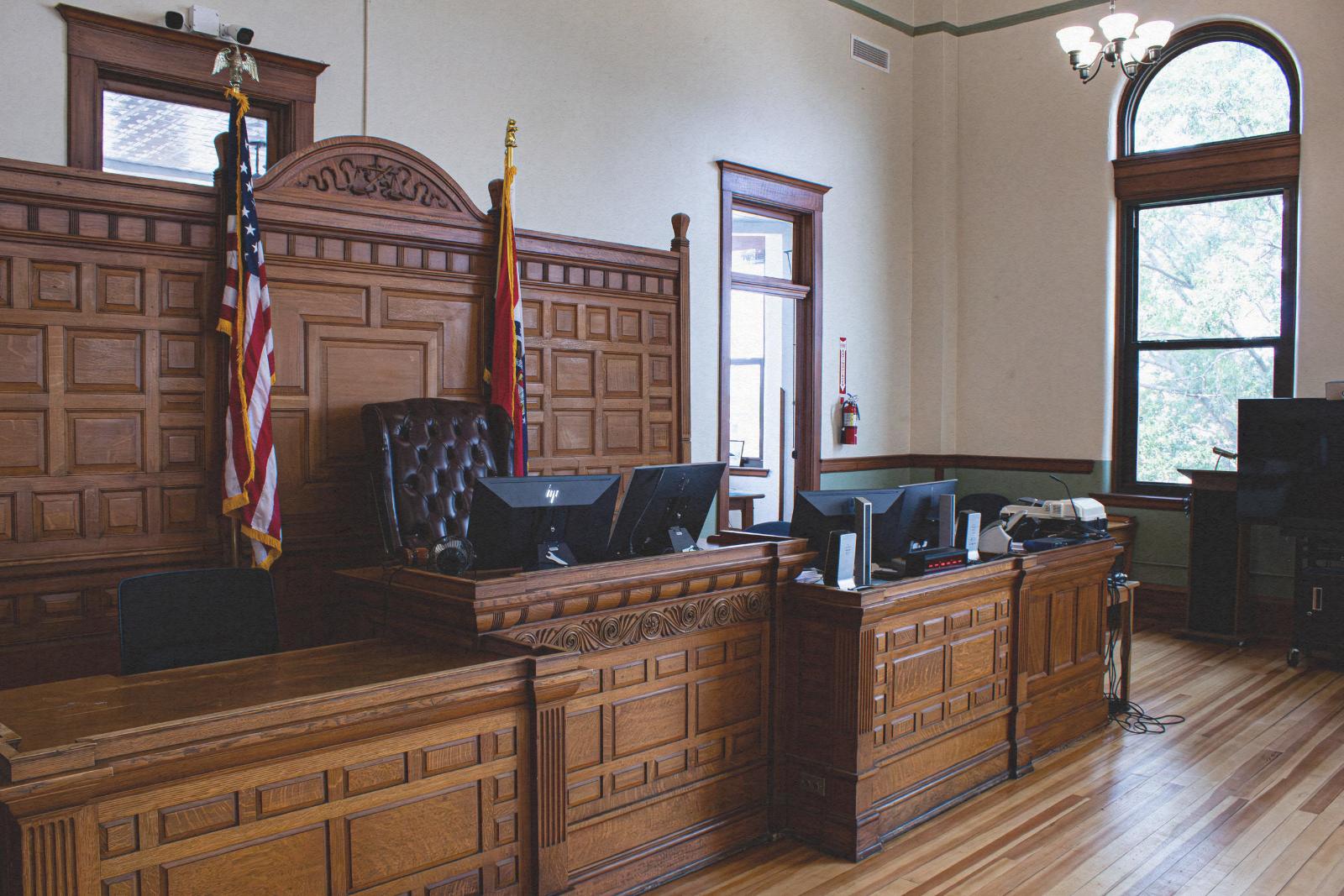
Like a lot of people, I've caught bits and pieces of the Lindsay Clancy trial over the last few weeks.
One part keeps pulling me back. Some of the people taking the witness stand aren't experts or friends or family. They're the clinicians who treated her.
Years after the fact, they're being asked to reconstruct that care from memory and from the chart. What did they know, what did they document, and when?
Think about that for a second. A patient you treated years ago. A chart you probably haven't opened since. Conversations that were completely ordinary at the time.
At one point the phrase "doctor shopping" came up in reporting on the trial, along with testimony that at least one provider did not believe that was happening.
That wasn't the part that caught my attention. What caught it was less obvious than that.
Based on what has come out publicly, multiple providers were involved in this patient's care, and they were not all working from the same information.
That's not unusual.
A patient can be seeing a therapist, a psychiatrist, and a primary care physician in the same month, and each may be working with different pieces of information.
What interested me was everything sitting behind that care.
When information moves from one provider to another, there are legal considerations riding along with the clinical ones. Things like what can be shared, when authorization is required, and what documents actually support the exchange.
I'm not talking about how a clinician should treat a patient. I'm talking about whether the legal documents behind a practice actually support the care happening inside of it.
Most practices have a release form. Fewer have looked at whether it covers the exchange they're actually having.
A form authorizing one type of disclosure may not necessarily cover every exchange the practice assumes it does. Certain types of records can also come with additional privacy requirements. Psychotherapy notes, for example, have a specific legal definition under HIPAA and aren't simply the progress notes many clinicians think of when they hear the term. Certain substance use disorder treatment records can be subject to additional federal privacy protections as well.
The point isn't that every practice needs more forms. It's that the forms you already have need to match what is actually happening in the practice.
Your chart is for patient care. But you may not be the only one reading it.
These records weren't created for a jury. The messages between patient and provider weren't written with the expectation that attorneys would parse them years later. And no clinician treats a patient thinking they may one day have to reconstruct those decisions from a witness stand.
Yet here we are.
A trial is the dramatic version. The ordinary version happens in custody cases, board complaints, insurance audits, and records requests from attorneys the clinician has never heard of, in matters that often have nothing to do with the practice at all. The chart is simply evidence somebody needs.
I don't think the answer is to start charting for a hypothetical lawsuit. Good documents don't replace good clinical judgment, and they can't repair bad clinical care. But watching this play out does make the paperwork sitting behind a private practice feel less like administrative noise.
Authorizations, consents, privacy documents, the agreements that govern how two practices work together. They have a purpose the day they're signed, and then most days they simply do their job in the background.
Until somebody needs to know exactly what happened.
And this is the part that isn't only pertinent for healthcare providers. Every advisor, consultant, or expert should be paying very close attention to the lesson playing out, and here’s why.
Clinicians have charts. Lawyers have client files. Everyone else builds their version too, out of the emails, notes, reports, and agreements a professional generates while doing the work. The rules differ by profession, and I'm not suggesting they don't.
What doesn't differ is that we create a record while our attention is somewhere else entirely, on the matter in front of us. We know the context because we're living in it. The person reading it three years from now won't be.
Matters change hands. Relationships end. Disputes develop and records get requested. Something written for one purpose gets examined for another, and by then you don't get to stand over the reader's shoulder explaining what you meant.
That, to me, is the takeaway. Not documenting every little thing. Definitely not writing every email like it will be Exhibit A.
It’s just about being more deliberate about the record your work creates, knowing you won't always control who eventually reads it or the context in which they do.
Most of us will never end up on a witness stand in a case like this one. The Clancy trial is an extreme example of an ordinary problem.
We send the email, make the note, sign the agreement, and then move on to the next thing, because at the time there is nothing remarkable about any of it.
The clinicians testifying now couldn't have known, while treating a patient years ago, where those records would eventually end up. Neither can the rest of us.
That's probably worth sitting with before something goes wrong, rather than after.
This article is for educational and informational purposes only and does not constitute legal advice. Nothing in it is intended as commentary on the quality, appropriateness, or standard of care provided by any clinician involved in the Lindsay Clancy case.